



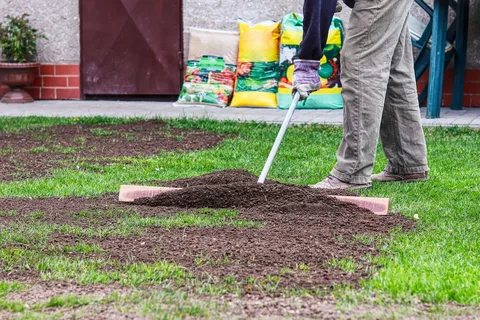
For optimal results, utilize a roller weighing between 500 to 800 pounds, ensuring more consistent surface contact. This weight is sufficient to compact the soil without risking damage to the turf. If your area is overly uneven, consider moistening the ground slightly before application, as this enhances soil pliability and minimizes the risk of tearing grass roots.
Prior to starting, identify any low spots and high areas. Mark these locations to focus your efforts effectively. For best results, fill depressions with a mix of topsoil and sand, about one inch above the surrounding grass, to allow for settling. By adhering to this method, you create a smooth and even surface that will promote healthy growth and maintain aesthetic appeal.
After rolling, maintain the turf by watering adequately. A brief watering session post-application helps settle the soil and encourages root establishment. Monitor the newly flattened area for any signs of stress in the grass, as timely intervention can prevent long-term damage.
Choosing the Right Roller for Your Yard
Select a roller that matches the size of your green space. For small areas, a lightweight hand roller may suffice, while larger properties benefit from a motorized version, allowing for quicker and less strenuous application.
Weight and Material
Consider the weight of the device. Heavier rollers compact soil more effectively, suitable for construction and heavy turf areas. Materials such as steel are ideal for durability, while plastic options are easier to maneuver but may not perform as effectively in heavy-duty situations.
Roller Size and Design
Roller diameter impacts the effectiveness of the task. A wide roller covers more ground quickly but may be challenging to control in tight spaces. Choose a design that allows for easy attachment to a tractor or can be pushed manually, depending on your preference.
Step-by-Step Guide to Proper Lawn Rolling
Select the optimal time, ideally in the early spring or fall, when the soil is slightly moist but not soggy. This condition aids in better contour shaping and reduces potential damage to the turf.
Begin by mowing the grass to a height of approximately two inches. Ensuring even height prevents the roller from missing low areas and addressing uneven spots effectively.
Check the fertilizer application. Apply a suitable fertilizer a few days before the process to promote strong root growth and recovery, aiding in the lawn’s resilience post-rolling.
Fill the roller with water or sand, adjusting the weight based on the ground conditions. A heavy roller can compact soil too much, while a lighter one may not achieve the desired results.
Walk slowly in straight lines, overlapping with each pass by around a third. This ensures complete coverage and consistency across the area.
Pay close attention to corners and edges; a gradual movement is crucial to avoid leaving unmixed patches.
After completion, inspect the surface for any remaining high or low spots. Mark them for subsequent attention.
Maintain a regular mowing schedule after rolling. This helps maintain a robust turf that can better handle the demands of foot traffic and climate conditions.
Observe the surface over the following weeks. If issues arise, additional rolling may be necessary, especially in areas showing signs of settling or erosion.
Identifying Uneven Areas in Your Lawn
Inspect your yard after rainfall or a thorough watering; this allows for easier detection of low spots and pooling water. Look for areas where water accumulates, indicating potential dips in the terrain.
Use a level board, approximately 6-8 feet long, to identify inconsistencies. Place it flat on the ground in various locations, checking for gaps underneath. This method helps reveal subtle slopes or irregularities.
Walk across your grass and pay attention to how it feels underfoot. Bumps or hollows can be detected by noticing changes in surface texture. Uneven surfaces may lead to poor grass health and require adjustments.
In addition, mark problem spots with flags or spray paint for easy reference during maintenance. Utilize a straight edge or string line across your yard to visualize elevations and determine whether adjustments are needed.
For detailed instruction and assistance, visit Tommy for Wisconsin to find further resources on managing yard issues effectively.
Soil Preparation Before Lawn Leveling
Begin with a thorough assessment of the soil type to ensure suitable conditions. Clay soils may require amendments for better drainage, while sandy soils may need additional organic matter to retain moisture. Analyze soil pH and nutrient levels to determine necessary adjustments. Aim for a pH between 6.0 and 7.0 for optimal growth.
Soil Testing
Conduct a soil test by collecting samples from various spots across the yard. Send these to a local extension service for analysis. Based on results, supplement with lime to raise pH or sulfur for lowering it, and apply fertilizers as indicated to correct nutrient deficiencies.
Surface Preparation
Clear the area of debris, rocks, and weeds. Aerate compacted soil to improve permeability and promote root growth. Use a garden fork or aerator to create holes every few inches. This ensures better water infiltration and the effectiveness of amendments.
| Soil Amendment | Purpose |
|---|---|
| Compost | Enhances soil structure and fertility |
| Sand | Improves drainage in clay soils |
| Organic Matter | Increases moisture retention in sandy soils |
| Lime | Elevates soil pH |
| Sulfur | Reduces soil pH |
Blend amendments into the top 2-3 inches of soil using a rake for uniform distribution. Water the area to help amendments settle and promote microbial activity. Allow the soil to rest before proceeding with leveling operations, ensuring it has time to regain its strength.
Post-Rolling Care for a Healthier Yard
Immediately after the process, ensure the grass receives adequate moisture without overwatering. A light watering session encourages deep root growth while preventing stress on the turf.
Fertilization Tips
Apply a slow-release fertilizer within a week post-care to support recovery and enhance nutrient uptake. Opt for a balanced formula to nourish the grassroots effectively.
Pest and Weed Management
- Inspect for signs of pests or weed growth after leveling.
- Utilize organic or selective herbicides if weeds begin to emerge.
- Monitor regularly to prevent any infestation’s establishment.
For further resources and equipment, visit Garden Machinery Hub. They offer a variety of tools suitable for maintaining your yard post-adjustments.
Q&A:
What are the benefits of lawn rolling?
Lawn rolling can provide several advantages for homeowners looking to improve the condition of their grass. Primarily, it helps to level uneven surfaces, which can prevent water pooling and promote more uniform growth. Additionally, rolling can enhance seed-to-soil contact during overseeding, increasing germination rates. It may also help compact the soil slightly, providing a firmer surface ideal for activities like sports or gardening.
How often should I roll my lawn?
It’s generally recommended to roll your lawn once or twice a year, depending on your grass type and soil condition. For most homeowners, spring or early fall are ideal times to perform this task. Be cautious not to roll too frequently, as excessive compaction can lead to poor root growth and drainage issues.
What equipment do I need for lawn leveling?
To level your lawn effectively, you might need a few tools. A lawn roller is essential for compacting the soil evenly. In addition, you may find it helpful to have a shovel or rake for distributing soil or sand. For minor adjustments, a leveling mix of topsoil and sand can be used. If you are dealing with large areas or significant leveling, a powered lawn leveling machine may be beneficial.
Are there any risks associated with rolling my lawn?
Yes, there are some risks to consider when rolling your lawn. Over-rolling can lead to soil compaction, which restricts root growth and can result in poor drainage. It’s essential to avoid rolling when the soil is wet, as this can exacerbate compaction issues. Understanding your lawn type and moisture content will help mitigate these risks and ensure healthier grass.
What is the best time of year to level my lawn?
The optimal time for leveling your lawn is during the growing season, specifically in early spring or early fall. These periods allow grass to recover quickly from any stress caused by leveling. Rolling in conjunction with overseeding can also enhance results, enabling better seed-to-soil contact and stronger roots as temperatures begin to rise.
