



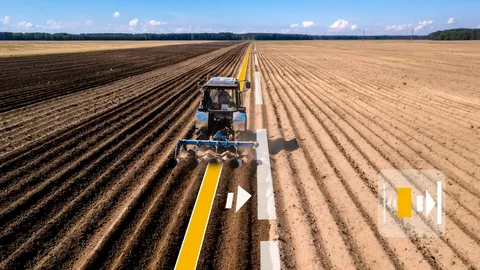
Tractor guidance technology has revolutionized modern farming, enabling precision, efficiency, and sustainability. In this article, we will explore the key aspects of tractor guidance system, their benefits, and how they are shaping the future of agriculture.
What is Tractor Guidance Technology?
Tractor guidance technology refers to the use of advanced systems such as GPS, sensors, and automated steering to guide tractors accurately in the field. These systems reduce human error, optimize field operations, and improve overall farm productivity. By enabling precise movement and positioning, tractor guidance technology ensures that crops are planted, fertilized, and harvested with maximum efficiency.
Key Components of Tractor Guidance Systems
- GPS and GNSS Receivers
Modern tractor guidance relies on satellite signals from GPS or GNSS systems. These signals provide centimeter-level accuracy, allowing tractors to follow precise paths in the field. - Autosteer Systems
Autosteer systems automatically control the steering of the tractor. Farmers can set guidance lines, and the tractor will follow them consistently, even in challenging terrain. - Sensors and Cameras
Advanced sensors and cameras monitor soil conditions, crop growth, and obstacles. This information helps optimize tractor operations and prevent damage to crops. - Mapping and Data Analytics Software
Tractor guidance systems often include software that maps fields, records data, and provides actionable insights. This technology helps farmers make data-driven decisions for better yields.
Benefits of Tractor Guidance Technology
- Increased Precision: Tractor guidance technology allows for accurate planting, fertilization, and harvesting.
- Reduced Input Costs: By applying fertilizers and pesticides only where needed, farmers can save money and reduce environmental impact.
- Time Efficiency: Automated guidance reduces overlap and ensures that fieldwork is completed faster.
- Improved Sustainability: Precision farming reduces soil compaction and conserves resources, promoting long-term agricultural sustainability.
Types of Tractor Guidance Systems
- Manual Guidance: The driver follows a pre-determined path using visual markers or guidance lines.
- Assisted Guidance: The system provides steering assistance, but the driver remains in control.
- Autonomous Guidance: Fully automated tractors follow GPS-guided paths without human intervention, ideal for large-scale farms.
Future of Tractor Guidance Technology
The future of tractor guidance technology looks promising. Integration with AI, machine learning, and IoT devices will enable smarter decision-making, real-time adjustments, and fully autonomous farming operations. As technology advances, farmers can expect higher yields, lower costs, and more sustainable practices.
Conclusion
A Comprehensive Guide to Tractor Guidance Technology highlights how this innovation is transforming agriculture. By understanding the components, benefits, and future trends, farmers can leverage tractor guidance systems to achieve greater efficiency, precision, and sustainability in their operations.
