



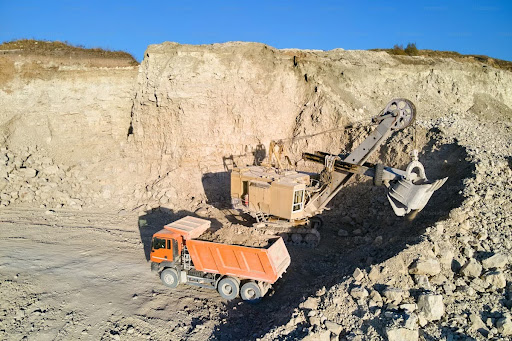
Construction projects naturally generate a large amount of waste, including debris, scrap materials, packaging, concrete, metal, and hazardous items. If not properly managed, this waste can lead to safety hazards, environmental damage, delays, and increased project costs. A well-organized waste management plan helps keep your construction site clean, safe, and compliant with regulations.
Here are five effective strategies to manage waste dumping at your construction site.
1. Develop a Clear Waste Management Plan Before Work Begins
The best strategy for handling construction waste starts with planning. Before breaking ground, create a detailed waste management plan that outlines what types of waste the project will generate, where it will be collected, and how it will be transported.
Identify recyclable materials, hazardous waste requirements, and designated disposal areas. By mapping out the entire process early, your team understands their responsibilities, reduces confusion, and avoids unnecessary clutter or unsafe dumping behaviours.
2. Use Waste Management Dumpster Rentals for Efficient Disposal
One of the most efficient ways to handle construction waste is to use waste management dumpster rental services. Renting a dumpster ensures you have a designated space for debris, preventing random dumping around the site.
Dumpster rentals come in various sizes, making it easy to choose a container that matches your project’s scale—from small renovations to large commercial builds. These containers keep the worksite clean, reduce the risk of injuries caused by scattered debris, and allow for easier waste sorting. Additionally, waste management companies handle pickup and disposal, saving time and reducing transportation costs.
3. Implement Proper Waste Segregation Stations
Segregating waste at the source is one of the most important steps in responsible construction waste management. Set up designated bins or stations for different types of waste such as wood, metal, concrete, plastic, cardboard, and hazardous materials.
Clear labelling and colour-coding help workers quickly identify where items belong. Not only does segregation make recycling easier, but it also ensures compliance with environmental guidelines. When materials are sorted correctly, your project can divert more waste from landfills and reduce disposal fees.
4. Train Workers on Responsible Waste Disposal Practices
Your waste management plan will only be effective if all workers understand and follow it. Conduct brief training sessions to explain waste sorting, proper dumpster use, and safety protocols. Encourage workers to keep pathways clear of debris and to immediately remove waste from active work zones.
Regular reminders and on-site signage reinforce good habits. When the entire team participates, waste handling becomes faster, safer, and more organized, preventing accidents and improving overall site efficiency.
5. Reuse and Recycle Materials Whenever Possible
Many construction materials can be reused or recycled, which helps lower costs and reduces the environmental footprint of your project. Items such as metal, concrete, timber, bricks, and asphalt can be repurposed for future builds or sent to recycling facilities.
Set aside a space to store reusable materials and establish partnerships with recycling centers or charitable organizations. Reusing and recycling not only save money but also demonstrate commitment to sustainable building practices.
Conclusion
Managing waste at your construction site requires planning, teamwork, and the right tools. Whether you invest in renting a waste management dumpster, train your crew, or improve recycling efforts, each strategy helps create a cleaner, safer, and more efficient construction environment.
