



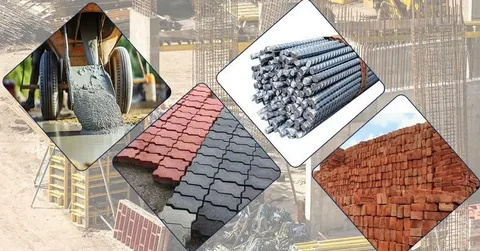
Choosing the right supplier can make or break your construction project. The wrong choice leads to delays, budget overruns, and frustrating quality issues. The right one keeps everything running smoothly from foundation to finish.
If you need concrete supplies, steel, lumber, or speciality items, finding a reliable partner matters. A good supplier delivers quality materials on time at fair prices. They answer your questions and solve problems quickly. But with so many options available, how do you pick the best one for your specific needs?
How to Define “Best” Supplier
What makes a supplier “best” depends on your project requirements, budget, and priorities. Quality tops most lists. The best suppliers provide materials meeting industry certifications and compliance standards. They partner with trusted brands and offer test reports proving product performance.
Product range matters too. Some projects need a one-stop source. Others require specialised suppliers. A reliable Ready Mix Concrete supplier might handle foundation work while you source roofing elsewhere. The best supplier matches your specific needs with consistent availability.
Key Factors When Choosing a Supplier
Several factors separate excellent suppliers from mediocre ones. Consider each carefully before committing.
Product Quality and Standards
Never compromise on quality. Substandard materials cause structural problems, safety hazards, and costly repairs down the road.
Look for suppliers offering:
- Verified certifications from recognised testing bodies
- Documented test reports for material specifications
- Partnerships with established, reputable brands
- Compliance with local building codes and standards
Ask for samples and check previous project references. Quality-focused suppliers welcome these requests.
Reliability, Delivery, and Stock
Great products with poor delivery create as many problems as inferior materials.
Evaluate inventory carefully: Can they fulfil your full order, and how do they respond during supply chain disruptions? The best concrete supplies partners maintain adequate stock and communicate proactively when issues arise.
Pricing, Credit, and Transparency
Price matters, but the cheapest rarely means best. Focus on overall value instead.
Reliable suppliers provide:
- Clear, itemised quotes without hidden fees
- Bulk discounts for larger orders
- Flexible payment terms for established customers
Be wary of quotes significantly below market rates, as they often signal quality compromises.
Technical Support and Service
Construction projects involve complex decisions, and good suppliers help you navigate them. Technical support includes design assistance, quantity estimating, and specification guidance. A responsive Ready Mix Concrete supplier answers questions, solves problems, and stands behind their products long after delivery.
Global and Local Supplier Types
Understanding different supplier categories helps you build the right network for your projects.
Global Manufacturers and Distributors
Large manufacturers and international distributors dominate major material categories:
- Cement and concrete supplies from multinational producers
- Steel from integrated mills and global trading companies
- Aggregates from regional mining operations
- Building systems from international brands
These suppliers offer consistency, scale, and competitive pricing, but may require minimum orders and longer lead times.
Regional and Local Options
Local merchants provide personalised service, faster delivery, and greater flexibility with custom requests. One-stop stores work well for diverse projects. Speciality suppliers excel for specific materials like architectural concrete or custom metalwork. Many contractors maintain relationships with both global and local suppliers.
Simple Process to Select Your Supplier
Finding the right supplier doesn’t require complicated analysis. Follow these straightforward steps:
- Step 1: Define Your Needs: List required materials, quantities, quality specifications, and delivery timelines. Be specific about what you need and when you need it.
- Step 2: Shortlist Potential Suppliers: Research options through industry directories, contractor recommendations, and online reviews. Aim for three to five candidates worth evaluating.
- Step 3: Compare Quotes: Request detailed quotes from each shortlisted supplier. Compare not only prices, but delivery terms, payment options, and included services.
- Step 4: Check References: Contact previous customers. Ask about delivery reliability, product quality, problem resolution, and overall experience.
- Step 5: Place Trial Orders: Before committing to large volumes, test your top choice with a smaller order. Evaluate the entire experience from ordering through delivery and follow-up.
This process takes time initially, but prevents costly mistakes later. Building strong supplier relationships pays dividends across multiple projects.
Conclusion
The best construction material supplier combines quality products, reliable delivery, fair pricing, and responsive service. Finding that partner requires research, comparison, and sometimes trial and error. But once you establish strong supplier relationships, your projects run more smoothly, and your results improve consistently.
Experts like Pro-Mix Concrete deliver exactly what contractors need, backed by reliable service. As a trusted Ready Mix Concrete supplier, they provide consistent quality, on-time delivery, and technical support that helps your projects succeed. The team understands construction timelines and works hard to keep you on schedule.
FAQs
- How do I find the best construction material supplier near me?
Check local reviews, ask contractors for recommendations, and compare product range, delivery options, and pricing. Visit suppliers when possible before placing large orders.
- What should I look for in a good construction materials supplier?
Look for consistent quality, proper certifications, reliable stock and delivery, transparent pricing, and responsive customer service with strong references.
- How can I tell if a construction materials supplier is reliable?
Reliable suppliers meet delivery promises, communicate clearly, provide quality documentation, and have positive customer reviews or strong contractor references.
- Are local suppliers better than big national chains?
Local suppliers offer personalised service and flexibility. National chains provide larger inventories and competitive pricing. Choose based on project size and priorities.
- Is it okay to use different suppliers for different materials?
Yes, using multiple suppliers works well when it improves quality, availability, or price. Just coordinate deliveries and ensure all materials meet your standards.
