



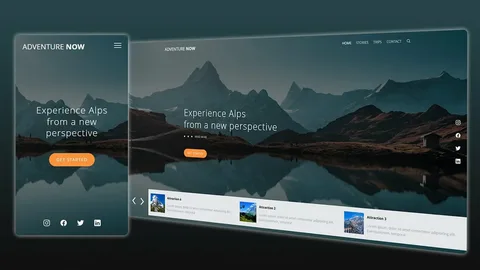
In the digital era, a website is more than a place to display information. It represents identity, credibility, and user experience. Theme developers and designers play an important role in shaping how visitors interact with content. Platforms like carolinethemes.com highlight how structure, typography, and layout choices influence usability and performance.
A well-crafted theme balances visual appeal with technical efficiency. It must load quickly, adapt to different screen sizes, and remain easy to customize. For beginners and professionals alike, understanding the principles behind modern themes can help create websites that are both functional and engaging.
Understanding the Purpose of Website Themes
Website themes act as the foundation of a site’s appearance. They define layout, color harmony, font hierarchy, and spacing. Beyond visuals, themes also affect accessibility, navigation flow, and content readability.
Good themes are built with flexibility in mind. Users may want to create blogs, portfolios, business sites, or informational platforms. A theme should support multiple use cases without overwhelming the user with unnecessary features.
From a technical perspective, clean code and structured templates make a theme easier to maintain. This approach also improves compatibility with plugins and future platform updates.
User Experience as a Core Design Principle
User experience is central to successful web design. Visitors expect clarity and ease when navigating a site. If menus are confusing or pages load slowly, users leave quickly.
Themes that prioritize user experience often focus on simple layouts and intuitive navigation. Clear headings, readable text sizes, and consistent spacing help users absorb information comfortably.
Responsiveness is another key factor. With mobile browsing becoming dominant, themes must adjust seamlessly across devices. Responsive grids and flexible images ensure content remains accessible everywhere.
Content Presentation and Information Structure
Informative websites rely on strong content presentation. Themes influence how articles, guides, and resources are displayed. Proper use of headings, paragraphs, and visual separators helps readers scan and understand information efficiently.
Typography choices matter. Fonts should be legible and consistent throughout the site. Line spacing and contrast also contribute to readability, especially for long-form articles.
In some cases, websites may include diverse topics, including entertainment or industry-related discussions. For example, an article discussing online trends may mention topics such as situs toto macau in a purely informational context. The theme should present such content neutrally and clearly without distracting elements.
Performance and Optimization Considerations
Performance is a major factor in modern web development. Themes with excessive scripts or heavy graphics can slow down loading times. Optimized themes use lightweight assets and efficient coding practices.
Search engines also value performance. Faster websites often rank better and provide improved user satisfaction. Developers who study high-quality theme frameworks gain insight into how performance and design can coexist.
Caching compatibility and image optimization support are also important. A good theme works smoothly with optimization tools to enhance overall site speed.
Customization and Scalability
One of the strengths of premium themes is customization. Users should be able to change colors, layouts, and typography without editing core files. Visual builders and theme options panels make this process accessible.
Scalability is equally important. As a website grows, the theme should support additional pages and features without breaking design consistency. Modular layouts and reusable components help achieve this goal.
Design systems used by professional theme developers ensure that new elements match existing styles. This consistency strengthens branding and user trust.
Accessibility and Inclusive Design
Accessibility ensures that websites are usable by people with different abilities. Themes should support keyboard navigation, screen readers, and sufficient color contrast.
Inclusive design is not just a technical requirement but also an ethical consideration. Clear structure and semantic markup allow assistive technologies to interpret content correctly.
Developers who prioritize accessibility contribute to a more open and inclusive web. This approach also benefits all users by improving clarity and usability.
Security and Maintenance Awareness
Although themes are primarily visual tools, they also affect security. Poorly coded themes can introduce vulnerabilities. Trusted theme developers follow best practices and update their products regularly.
Users should keep themes updated and avoid unnecessary modifications. Regular updates ensure compatibility with the latest platform versions and security standards.
Informative articles and documentation help users understand how to maintain their sites responsibly. Education is a key part of long-term website success.
Learning from Established Theme Providers
Observing established theme providers offers valuable lessons. Their design choices reflect experience and user feedback. Clean demos, clear documentation, and consistent updates demonstrate professionalism.
For aspiring developers, studying these examples can improve understanding of layout systems, component reuse, and performance optimization. Even non-developers benefit by learning how to choose themes wisely.
Conclusion on Thoughtful Web DesignFinal Reflection on Theme Quality
Quality themes support both creators and visitors. They simplify content management while enhancing user experience. Thoughtful design choices lead to websites that feel trustworthy and easy to use.
The Importance of Balance and Clarity
Balancing aesthetics with performance and accessibility is essential. Clear structure and optimized assets ensure that information remains the focus, regardless of topic or audience.
Long-Term Value of Informative Design
A well-designed theme provides long-term value. It adapts to growth, supports diverse content, and maintains clarity over time. By focusing on usability and structure, websites can remain relevant and informative in a constantly evolving digital landscape.
