



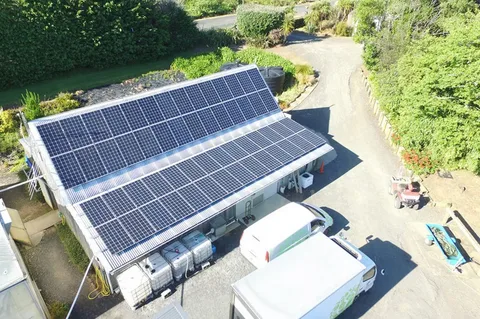
Introduction to Commercial Solar NZ
Commercial Solar NZ: A Complete Guide to Solar Adoption for Companies is becoming increasingly relevant as businesses across New Zealand look for ways to reduce energy costs and improve sustainability. With rising electricity prices and growing environmental expectations, many organisations are exploring solar energy as a long-term investment rather than just an alternative power source.
In this guide, we’ll break down how commercial solar works, its benefits, installation considerations, and why it is reshaping the future of business energy in New Zealand.
What Is Commercial Solar NZ?
Commercial Solar NZ: A Complete Guide to Solar Adoption for Companies starts with understanding what commercial solar actually is. In simple terms, it refers to solar energy systems installed on business properties such as offices, warehouses, factories, farms, and retail spaces.
These systems use photovoltaic (PV) panels to convert sunlight into electricity, which can then be used directly by the business or stored in batteries for later use. Any excess energy can often be fed back into the grid, depending on the energy provider’s policies.
Unlike residential systems, commercial solar setups are typically larger, more complex, and designed to meet higher energy demands.
Why Businesses in New Zealand Are Switching to Solar
The demand for commercial solar nz: A Complete Guide to Solar Adoption for Companies solutions is growing rapidly due to several key factors:
1. Rising Electricity Costs
Electricity prices for businesses have been steadily increasing, making solar a cost-effective alternative that offers long-term savings.
2. Sustainability Goals
Many companies are committing to net-zero or carbon-reduction targets. Solar energy helps reduce reliance on fossil fuels and lowers carbon footprints.
3. Government Support
In New Zealand, various incentives and regulatory frameworks encourage renewable energy adoption, making solar installations more financially attractive.
4. Energy Independence
Businesses gain more control over their energy supply, reducing vulnerability to price fluctuations and grid disruptions.
Benefits of Commercial Solar NZ Systems
When exploring Commercial Solar NZ: A Complete Guide to Solar Adoption for Companies, it’s important to understand the core benefits:
Significant Cost Savings
Once installed, solar systems drastically reduce electricity bills. Over time, savings can outweigh the initial investment.
Improved Brand Image
Sustainability is a powerful branding tool. Companies using renewable energy are often viewed more favourably by customers and partners.
Strong Return on Investment (ROI)
Most commercial solar systems pay for themselves within several years, after which businesses enjoy mostly free electricity.
Low Maintenance Requirements
Solar systems require minimal upkeep, making them a hassle-free energy solution.
How Commercial Solar Installation Works
A typical Commercial Solar NZ: A Complete Guide to Solar Adoption for Companies process includes several stages:
Step 1: Energy Assessment
A detailed analysis of your business’s energy consumption helps determine system size and requirements.
Step 2: System Design
Engineers design a tailored solar solution based on roof space, location, and energy needs.
Step 3: Installation
Certified installers mount panels, connect inverters, and integrate the system with your existing electrical setup.
Step 4: Monitoring and Maintenance
Modern systems include monitoring tools that track energy production and performance in real time.
Costs of Commercial Solar in New Zealand
One of the most common concerns in Commercial Solar NZ: A Complete Guide to Solar Adoption for Companies is cost.
The price of installation depends on factors such as:
- System size (kW capacity)
- Type of panels used
- Installation complexity
- Battery storage inclusion
While upfront costs can be significant, many businesses recover their investment through energy savings within 4–8 years.
Challenges to Consider Before Installation
While solar offers many advantages, businesses should also consider potential challenges:
Initial Investment
The upfront cost can be high, although financing options are often available.
Roof Suitability
Not all buildings are ideal for solar panels due to shading, orientation, or structural limitations.
Energy Usage Patterns
Businesses must analyse whether their energy consumption aligns well with solar production hours.
Despite these challenges, Commercial Solar NZ: A Complete Guide to Solar Adoption for Companies remains a highly viable solution for most organisations.
The Future of Commercial Solar in NZ
The future of Commercial Solar NZ: A Complete Guide to Solar Adoption for Companies looks extremely promising. As technology improves and costs continue to fall, more businesses are expected to transition to renewable energy systems.
Battery storage advancements, smarter energy management systems, and increased government focus on sustainability will further accelerate adoption.
Conclusion
Commercial Solar NZ: A Complete Guide to Solar Adoption for Companies highlights a clear trend: solar energy is no longer just an environmental choice—it is a smart financial strategy for modern businesses.
From reducing operational costs to strengthening sustainability goals, commercial solar offers long-term value that continues to grow. For companies in New Zealand looking to stay competitive and future-ready, solar energy is becoming an essential part of the energy landscape.
