



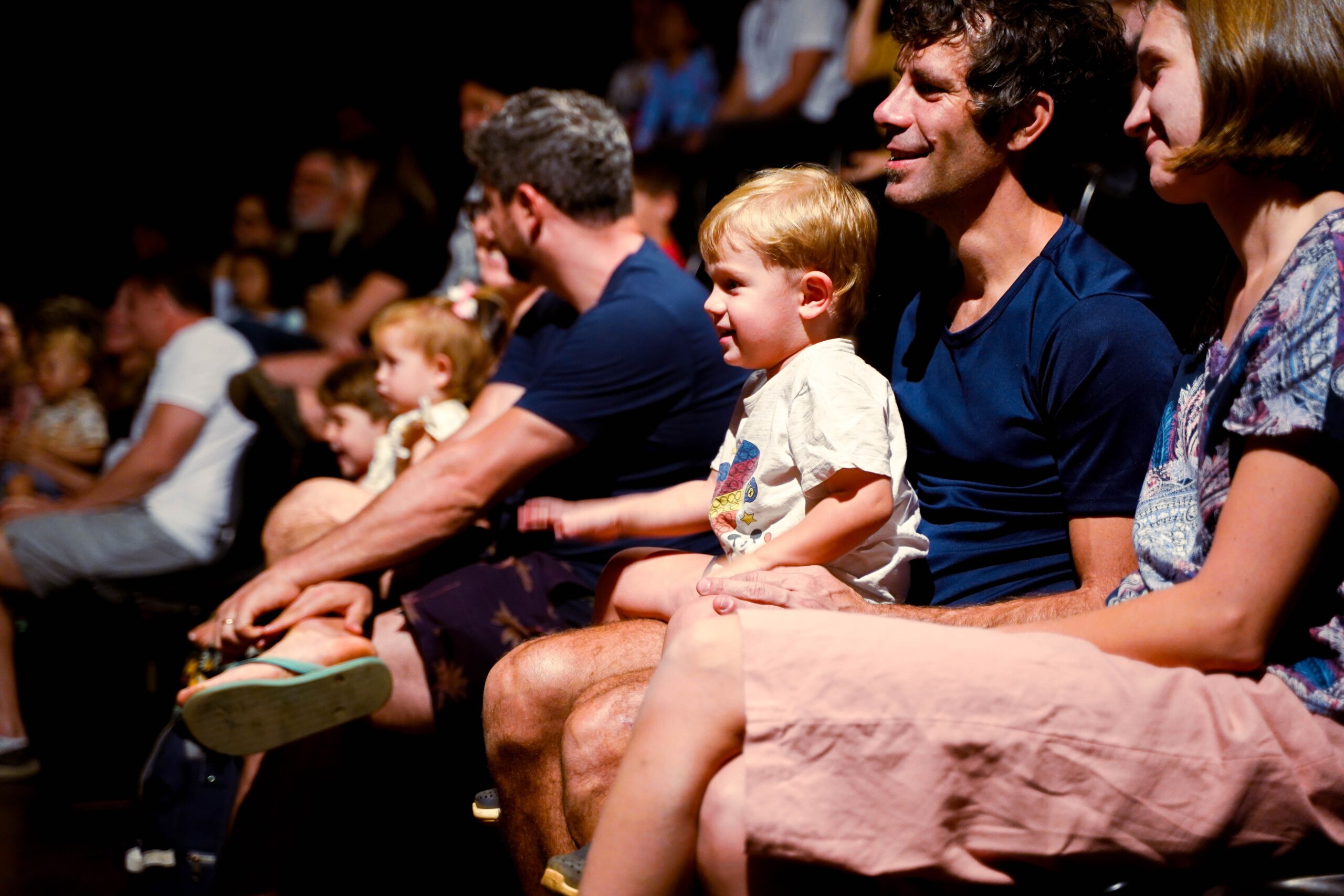
Taking young children to their very first live production is an exciting milestone that creates lasting memories. However, parents quickly learn that a great show on stage is only half the equation, as the physical layout of an arena determines whether the outing feels magical or overwhelming. The environment must support the unique physical needs of smaller attendees, so understanding which venue features make a building child-friendly helps caregivers select the best experiences for their youngsters.
Prioritizing Convenient Arrival Routes
The overall quality of an outing begins long before anyone steps inside the main seating bowl. Large parking areas situated close to main entry gates significantly reduce walking distances for tiny legs. Clear directional signs outside the building also eliminate unnecessary guesswork when managing excited children. Having designated drop-off zones near the front doors offers an extra layer of convenience for families unloading strollers and gear.
Smooth entry procedures prevent long outdoor waiting lines that frequently exhaust young patience levels. Spacious security checkpoints give adults ample room to organize diaper bags and folding strollers without feeling rushed by surrounding crowds. When arriving at a building feels effortless, the whole family starts the experience in a relaxed mood.
Designing Welcoming Interior Spaces
Once inside the lobby, spacious concourses allow large crowds to move comfortably without causing chaotic bottlenecks. Wide walkways give parents plenty of breathing room to navigate strollers alongside strolling toddlers. Bright lighting throughout public corridors helps children feel safe and secure while exploring the unfamiliar surroundings.
Flexible multi-purpose arenas offer great examples of how thoughtful floor plans support diverse touring productions. Versatile spaces illustrate how modern venues host vibrant family shows while providing accessible concourses and convenient amenity stations. Dedicated nursing nooks and child-sized seating options further ensure that young guests stay relaxed throughout the event. Having easily accessible restrooms and family changing facilities nearby eliminates sudden pre-show stress.
Ensuring Clear Viewing Angles
Young children possess shorter torsos, which means standard auditorium seating can easily block their view of the stage. Gradual bowl elevation solves this problem by ensuring that smaller attendees can watch the action without standing on their chairs. Steeper floor angles allow kids to see over the adult heads in front of them without needing bulky booster seats.
Lower level seating brings young guests much closer to the vibrant stage lighting and colorful costumes. These direct sightlines keep kids fully engaged with the story unfolding right before them.
Flexible layout options also accommodate families who need a bit of extra elbow room. Removable armrests and wide aisle configurations allow parents to comfort fidgety toddlers without disturbing nearby spectators. When every seat offers an unobstructed line of sight, young audience members stay captivated throughout the entire performance.
Managing Comfortable Acoustic Levels
Live theatrical events feature dynamic soundscapes that can sometimes feel startling to sensitive ears. Quality indoor venues utilize specialized wall padding to absorb excess reverberation and harsh echo spikes. This acoustic control allows the music to sound rich while keeping volume levels gentle and balanced.
Production teams also balance the sound mix so dialogue remains crystal clear over background instruments. Children follow narrative storylines much better when voices sound natural rather than muffled or abrasive. Keeping music levels moderate helps prevent sudden acoustic jumps that might frighten younger audience members. Softened lighting adjustments inside the hall further prevent sensory overload for first-time attendees.
Facilitating Easy Facility Movement
Mid-show bathroom runs and snack breaks are practically guaranteed when traveling with young kids. Wide aisle stairways with sturdy handrails make stepping away during a performance safe and quick. Low-profile floor lighting along pathways ensures families can safely navigate dark aisles mid-show. Uncluttered exit routes allow parents to return to their seats without disrupting neighboring spectators.
Clear overhead signs pointing toward concessions and emergency exits keep navigation simple at all times. Well-trained usher teams stationed at section doors offer friendly assistance whenever families need guidance. Thoughtfully organized movement patterns allow everyone to focus on enjoying the entertainment rather than fighting the crowd.
Conclusion
A successful first outing relies on gentle audio levels paired with open layouts that guarantee great stage views. When an arena prioritizes visitor comfort, young children can fully immerse themselves in the magic of live theater. Parents can sit back and enjoy watching their kids experience the pure joy of real stage performances.
Choosing a venue designed with families in mind transforms a simple weekend plan into an unforgettable memory. Paying attention to these subtle physical features ensures that every outing remains stress free from start to finish.
Welcoming environments continue to inspire the next generation of enthusiastic theater fans. These thoughtful architectural choices guarantee that magical live experiences stay accessible for growing audiences.
