



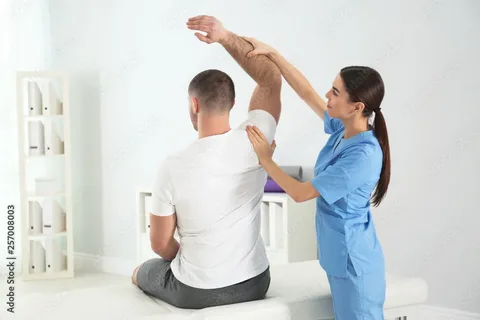
Every healing journey looks different. Some people battle long-term pain, others work through dependence or emotional exhaustion — but everyone shares one goal: to feel normal again. Finding the right balance between relief and recovery isn’t just about taking medicine; it’s about understanding how different treatments can help your body and mind reconnect. Today’s healthcare world offers more choices than ever, allowing patients to find real comfort through modern science and compassionate care. That’s where the right pain relief medication often becomes a steady partner on the path back to strength.
When pain lingers for too long, it can cloud judgment, interrupt sleep, and drain motivation. People rarely realize how much discomfort influences every small part of daily life — from getting out of bed to focusing at work. Thankfully, medical science now provides safer and more focused pain relief medication options. These medicines are designed not just to numb discomfort but to help the body regain rhythm. Some work directly on nerve signals, while others ease inflammation or tension. When prescribed correctly and monitored by a doctor, they can restore comfort without risking overdependence.
But for those who have relied on strong painkillers or opioids in the past, the next step — withdrawal treatment — can be a turning point. This stage isn’t only physical; it’s deeply emotional. Coming off any dependency can stir anxiety, fatigue, or even fear of failure. Yet, modern withdrawal treatment programs have grown more humane and patient-focused. Instead of pushing abrupt detoxes, many clinics now use a gradual, medically guided process. It allows the body to adapt while the mind regains confidence. Alongside medication adjustments, counseling and emotional therapy play a vital role, helping people face cravings and rebuild control in small, manageable steps.
True recovery isn’t just about what happens in a hospital or clinic — it’s about what comes afterward. This is where consistent recovery support becomes invaluable. The transition from medical supervision to daily life can feel fragile. That’s why community programs, peer networks, and follow-up sessions exist — to keep that sense of stability alive. Good recovery support goes beyond check-ins; it connects people with real stories, relatable struggles, and genuine encouragement. Hearing from others who’ve walked the same road makes progress feel possible and sustainable.
On a deeper level, recovery means learning to trust your body again. For many, that trust was lost somewhere between pain, medication, and the fear of relapse. The goal of every modern recovery program is to help patients rebuild that relationship with themselves. Doctors, counselors, and support groups now work as a team — combining therapy, lifestyle coaching, and proper medication management. Exercise, nutrition, and mindfulness practices are often introduced alongside withdrawal treatment to restore natural balance and mental calm. These simple habits help the body remember what normal feels like, creating a solid base for lasting wellness.
Education also plays a quiet but powerful role in recovery. Understanding how pain works or why withdrawal symptoms appear can take away much of the fear. Patients who learn about the biology of healing tend to stay more motivated and confident. Whether it’s learning how to manage pain relief medication responsibly or how to recognize emotional triggers, knowledge truly becomes part of the cure.
Finally, healing doesn’t have a fixed timeline. Some people see progress in weeks; others take months. What matters is consistency and compassion — for oneself and for the process. Combining professional guidance with strong recovery support leads not just to physical wellness but to emotional stability and renewed purpose.
Every step, from medication to therapy, contributes to one simple truth: balance is achievable. When patients are guided by empathy, science, and structure, relief and recovery can coexist beautifully. The right treatment doesn’t just end pain — it opens the door to a life that feels whole again.
