



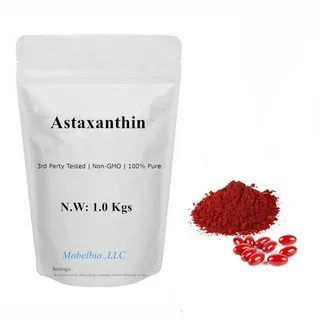
Astaxanthin is a naturally occurring carotenoid found in marine organisms such as salmon, shrimp, and microalgae. Known for its potent antioxidant properties, astaxanthin has gained attention for its ability to support overall health, particularly in areas critical to longevity and wellness. In this article, we explore how astaxanthin supports heart, brain, and immune function, highlighting the science behind its benefits.
The Role of Astaxanthin in Heart Health
Heart disease remains one of the leading causes of death worldwide. Research indicates that astaxanthin can positively impact cardiovascular health by reducing oxidative stress and inflammation in the body. Its powerful antioxidant properties help protect blood vessels from damage and maintain healthy cholesterol levels.
Studies have shown that regular consumption of astaxanthin may:
- Improve blood lipid profiles, including lowering LDL (bad cholesterol) and increasing HDL (good cholesterol).
- Reduce oxidative stress in arterial walls, which is a major factor in atherosclerosis.
- Enhance blood flow and reduce the risk of heart-related complications.
By supporting heart health, astaxanthin contributes to overall cardiovascular wellness and may reduce the risk of chronic diseases associated with oxidative damage.
How Astaxanthin Supports Brain Function
Cognitive decline and neurodegenerative diseases such as Alzheimer’s and Parkinson’s are linked to oxidative stress in the brain. Astaxanthin’s ability to cross the blood-brain barrier allows it to deliver potent antioxidant protection directly to brain cells.
Key brain health benefits of astaxanthin include:
- Protecting neurons from oxidative damage and inflammation.
- Supporting memory, learning, and cognitive performance.
- Reducing the risk of age-related cognitive decline.
By neutralizing free radicals and enhancing mitochondrial function, astaxanthin helps maintain optimal brain function and mental clarity.
Boosting Immune Function with Astaxanthin
A strong immune system is essential for defending the body against infections and diseases. Astaxanthin supports immune function by enhancing the activity of natural killer cells and other immune cells. Its anti-inflammatory properties also help regulate the immune response, preventing overactivation that can lead to chronic inflammation.
Benefits for the immune system include:
- Increased production of immune cells to fight pathogens.
- Reduced inflammation that can weaken immunity.
- Support for overall resilience and recovery.
By modulating immune activity, astaxanthin helps the body maintain a balanced and effective defense system.
Conclusion
Astaxanthin is a powerful antioxidant that plays a vital role in supporting heart, brain, and immune function. From protecting cardiovascular health and enhancing cognitive performance to strengthening immune defenses, its benefits are wide-ranging and well-supported by scientific research. Incorporating astaxanthin-rich foods or supplements into your diet may provide a natural way to boost overall health and longevity.
In summary, understanding how astaxanthin supports heart, brain, and immune function can help individuals make informed choices about their wellness routines and harness the power of this remarkable nutrient for lifelong health.
