



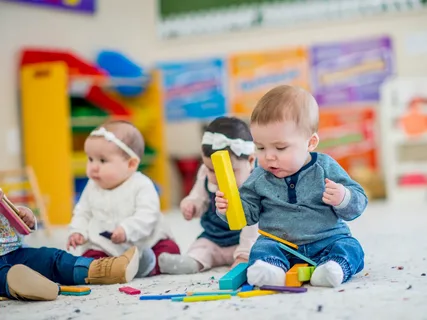
Daycare has evolved significantly from the simple babysitting services of the past. Today’s centers are hubs of early childhood education, emotional development, and even technological integration. As more families rely on daycare as a vital part of their children’s early years, it’s essential to understand the modern landscape. Let’s take a closer look inside the world of modern daycare: trends and innovations that are reshaping how we nurture the next generation.
1. The Shift Toward Holistic Child Development
Modern daycare centers are increasingly focused on whole-child development. This means addressing not just cognitive learning, but also emotional intelligence, social interaction, and physical health.
- Curriculum-based learning: Many daycares now implement structured learning programs that align with preschool standards.
- Mindfulness and emotional regulation: Activities like guided breathing, storytelling, and social-emotional games are becoming part of the daily routine.
- Outdoor and sensory play: Nature-based learning and hands-on activities help children develop motor skills and curiosity about the world around them.
2. Technology Integration in the Classroom
Technology is no longer just a feature of elementary or secondary schools. In modern daycare settings, it plays a role in both education and communication.
- Interactive learning tools: Tablets and smartboards are used for age-appropriate educational games and interactive storytelling.
- Parental engagement apps: Platforms like Brightwheel or HiMama allow parents to receive real-time updates, photos, and progress reports.
- Security enhancements: Modern centers use tech for safety, including digital check-in systems and security cameras.
These advancements are helping centers stay connected with families while maintaining high standards of care and accountability.
3. Emphasis on Inclusivity and Diversity
Another key innovation inside the world of modern daycare: trends and innovations include a stronger focus on creating inclusive environments for children of all backgrounds and abilities.
- Cultural inclusivity: Celebrating different holidays, traditions, and languages helps children appreciate diversity from a young age.
- Special needs support: More daycare centers are equipping staff with training and resources to support children with learning or developmental challenges.
- Gender-neutral play and language: Encouraging open-ended play and avoiding stereotypes fosters an environment where all children can thrive.
4. Eco-Friendly and Sustainable Practices
With rising awareness around climate change and sustainability, many daycare providers are introducing eco-conscious practices.
- Using non-toxic materials for toys and cleaning supplies
- Offering plant-based meals and snacks
- Implementing waste reduction programs, such as composting or reusable diapers
These choices model responsible behavior and create healthier environments for children.
5. Flexible and Hybrid Childcare Models
The pandemic changed how families view work and childcare, leading to hybrid daycare solutions.
- Drop-in care options for part-time or gig-working parents
- Co-working + childcare spaces, where parents can work on-site while their child is cared for nearby
- Virtual enrichment classes for toddlers at home
These innovative setups cater to the changing needs of today’s families.
Conclusion: The Future is Bright
Exploring inside the world of modern daycare: trends and innovations reveals a vibrant and rapidly changing field. With a focus on whole-child development, technology, inclusivity, sustainability, and flexibility, daycare is no longer just a convenience—it’s a foundational part of early childhood growth and education.
As the needs of families evolve, so too will the services and strategies of daycare providers. One thing is certain: the modern daycare experience is more dynamic, nurturing, and innovative than ever before.
