



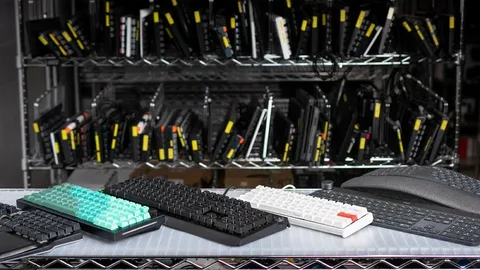
The evolution of computer peripherals has been a fascinating journey, with keyboards being one of the most essential tools in this transformation. While traditional keyboards have remained relatively unchanged for decades, the future of keyboard with display is beginning to take a new shape, driven by innovations in technology and user experience. One of the most exciting developments in this space is the integration of built-in displays within keyboard models. This shift could revolutionize the way we interact with our devices and open up new possibilities for productivity, customization, and functionality.
In this article, we explore the potential of keyboards with built-in displays and how they might change the way we work, create, and connect.
The Evolution of Keyboards: From Typewriters to Smart Devices
Before diving into the future of keyboards, it’s important to understand their history. Keyboards have their roots in typewriters, which were first introduced in the late 19th century. These early devices featured mechanical keys that would strike inked ribbons, imprinting characters on paper. With the advent of computers in the mid-20th century, keyboards underwent a significant transformation, transitioning from manual typewriters to electronic devices that could send digital signals to computers.
Today, most computer keyboards are flat, membrane-based or mechanical devices with keys that represent letters, numbers, and symbols. While these keyboards have served their purpose well for many years, the demand for more interactive and customizable peripherals has led to the exploration of new features, such as built-in displays.
The Future of Keyboards: Exploring Models with Built-in Displays
Keyboards with built-in displays are poised to offer a more dynamic and interactive experience for users. These displays could range from small, secondary screens on individual keys to large, touch-sensitive panels that span the entire keyboard. Here are some ways in which built-in displays might reshape the future of keyboards:
1. Customization and Personalization
One of the most exciting possibilities of keyboards with built-in displays is the level of customization they could offer. Imagine a keyboard where each key could be dynamically changed to display different symbols, shortcuts, or even personalized images. For example, a user could program certain keys to show emojis, special characters, or even application-specific shortcuts that change based on the software being used.
This would be particularly useful for professionals who rely on a large number of keyboard shortcuts, such as graphic designers, video editors, and programmers. The ability to instantly change the function of individual keys based on the software environment could dramatically improve productivity and reduce the learning curve associated with different programs.
2. Enhanced User Feedback
Incorporating displays into keyboards can provide enhanced feedback to the user. For instance, keys could illuminate or display text when pressed, giving instant visual feedback about the action being performed. This could be especially helpful for tasks that require precision, such as coding, typing in different languages, or gaming. The display could show real-time changes, like the toggling of caps lock, number lock, or shift keys, ensuring that the user is always aware of the keyboard’s state.
Additionally, built-in displays could show contextual information such as system status, battery life, or even notifications without having to glance away from the keyboard. This would streamline the workflow and keep users focused on their tasks.
3. Multi-Functionality and Multitasking
Keyboards with built-in displays could facilitate multitasking in ways traditional keyboards cannot. For example, users could have access to a range of apps, widgets, or even media controls directly from the keyboard. Instead of switching between multiple windows or using external devices for controlling music or adjusting settings, users could interact with their keyboard displays to access relevant functions instantly.
In the case of creative professionals, these multi-function keyboards could display real-time previews of their work or allow for quicker navigation between various tools. For example, a graphic designer could use the built-in display to show a preview of their design or toggle different layers, all without needing to switch between applications.
Challenges and Considerations
While the future of keyboards with built-in displays is exciting, there are several challenges and considerations that need to be addressed for widespread adoption:
1. Durability and Cost
Keyboards with built-in displays will require high-quality materials to ensure that the displays are durable and able to withstand the wear and tear of daily use. Manufacturers will need to find a balance between functionality and durability, which could potentially increase production costs. As a result, these keyboards might come at a premium price, at least in the early stages of adoption.
2. Battery Life and Power Consumption
For wireless keyboards, power consumption becomes a significant concern. Built-in displays, especially those with high-resolution screens, would require substantial power to operate. Battery life could be compromised if the displays are not efficiently designed. Designers will need to focus on developing energy-efficient displays and incorporating power-saving features to make these keyboards viable for everyday use.
3. User Interface and Software Compatibility
The success of keyboards with built-in displays will depend on their ability to integrate seamlessly with existing software and operating systems. These displays must be customizable in a way that works with various applications and workflows. Additionally, users will need to have the ability to easily modify settings and shortcuts, which will require intuitive software interfaces.
Conclusion
The future of keyboards looks brighter than ever with the emergence of models featuring built-in displays. These innovative designs have the potential to redefine how we interact with computers and other digital devices. By offering unprecedented levels of customization, feedback, and multi-functionality, keyboards with built-in displays could change the way we type, work, and play.
