



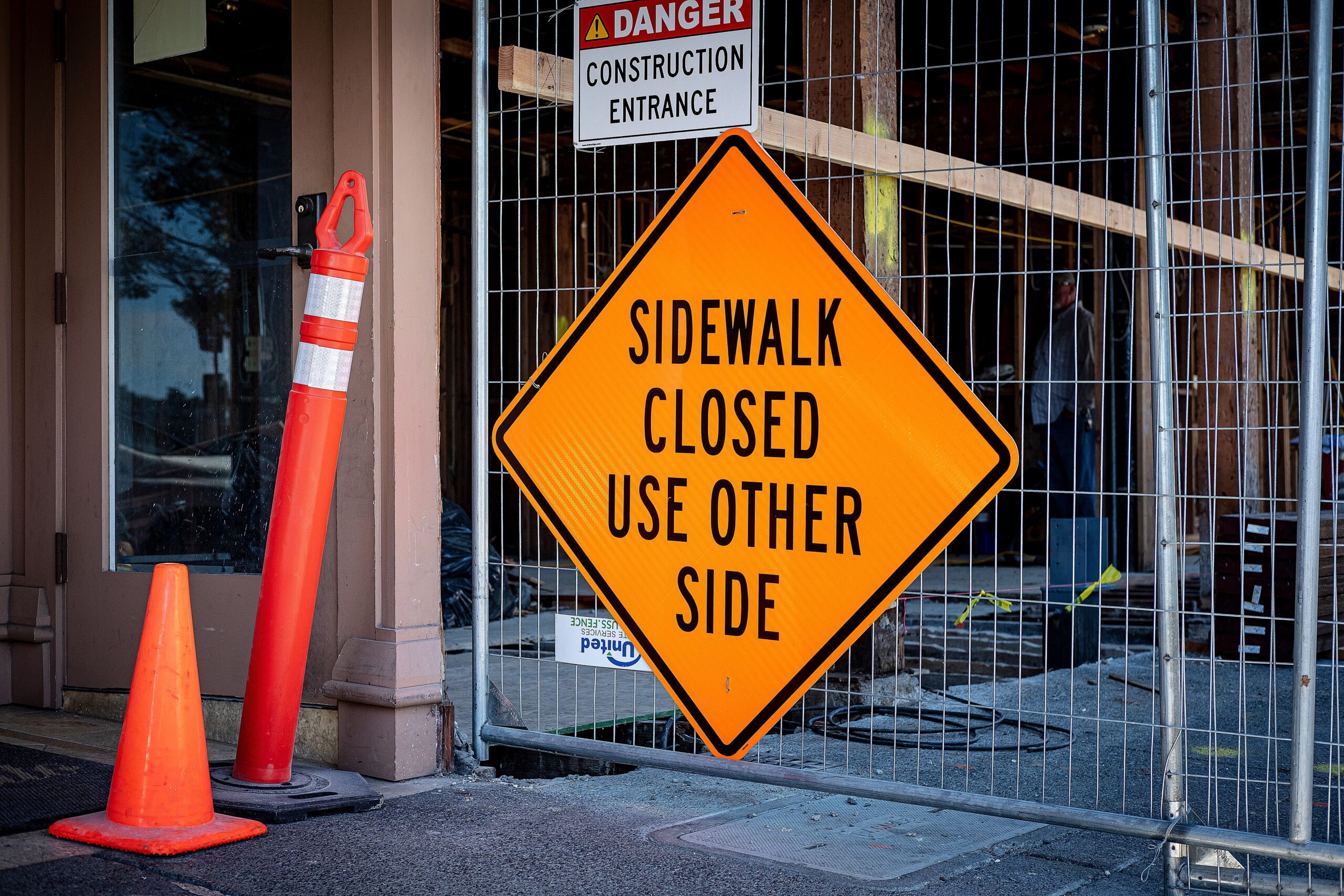
Conducting infrastructure repairs after dark helps ease daytime traffic congestion and keeps major transit routes moving. However, these night shifts introduce dangerous hazards that daytime crews rarely face. Reduced visibility and speeding cars combine to create a highly challenging work environment. A strong safety strategy remains essential to protect both field workers and passing motorists.
Managing a secure overnight work zone requires careful coordination of physical equipment and crew behavior. Project managers must plan for shifting traffic patterns well before setting up the site. Proper preparation keeps the construction area completely visible so everyone goes home safely.
Illuminating Work Zones Effectively
Proper illumination is the primary defense against accidents in overnight work zones. High-output light towers should flood active areas with uniform light to eliminate dangerous shadows. To prevent blinding drivers, light fixtures must always point downward and away from oncoming traffic.
Balancing adequate illumination for workers without blinding passing drivers requires constant monitoring throughout the night. Illumination plans should extend beyond active work zones to cover equipment staging areas alongside pedestrian pathways and flagger posts.Auxiliary lights mounted directly on heavy machinery help operators identify nearby workers and structural obstacles clearly.
Cleaning light lenses regularly removes dust that dims brightness over time. Bright, well-lit work zones help drivers spot construction boundaries early and slow down safely. Proper setup ultimately protects both road crews and passing motorists.
Deploying High-Visibility Traffic Equipment
Delineating temporary lane shifts requires specialized equipment engineered specifically for low-light conditions. High-visibility channelizing drums and reflective barricades guide drivers safely through complex road transitions. Contracting teams often rely on devices like those from Signs & Safety Devices as a great example of how crews source high-grade traffic control equipment to maintain strict site compliance.
Placing bright arrow boards far ahead of closures gives drivers time to merge smoothly. At night, physical barriers should be spaced closer together to prevent confused motorists from drifting into work zones. High-grade reflective tape on barrel tops reflects headlights with exceptional clarity, keeping the visual path obvious.
Regularly inspecting retroreflective surfaces for dirt ensures warning devices stay bright all night. Clean, well-placed barricades form a clear path that safely guides traffic past hazards. Good equipment maintenance keeps the work zone protected through the entire shift.
Equipping Crews with Reflective Apparel
Personal protective gear acts as the final physical barrier safeguarding workers exposed to moving vehicle traffic. High-visibility personal protective apparel along with retroreflective hardhat attachments must meet strict performance standards for nighttime work environments. Retroreflective materials sewn onto safety garments ensure that human silhouettes remain distinguishable to approaching drivers from hundreds of feet away. Providing workers with brightly colored apparel minimizes the chance of tragic blind-spot collisions.
Shift supervisors must inspect crew gear before anyone steps onto the active roadway. Dirty or worn reflective clothing quickly loses its brightness, making immediate replacement essential for safety. Clip-on safety beacons and wearable LED strips add extra visibility in dark conditions. Outfitting workers in high-grade reflective apparel ensures they remain clearly visible to drivers, even in bad weather.
Establishing Clear Advance Warnings
Nighttime drivers often travel faster due to open roads and lighter traffic. Placing advance warning signs far ahead of the work zone gives motorists crucial reaction time. Dynamic LED message boards effectively alert drivers to upcoming lane drops and lower speed limits. Spacing these signs further apart at night gives motorists extra time to react in the dark.
Early warnings encourage smooth traffic deceleration, preventing sudden panic braking near work zone entrances. Flaggers positioned in advance zones must stand under dedicated spotlighting so drivers spot them immediately. Rumble strips placed across lanes offer an auditory and tactile wake-up call for distracted or sleepy motorists. Giving drivers clear, early instructions ensures orderly traffic flow through delicate construction zones.
Maintaining Site Discipline and Oversight
Even the most advanced safety equipment fails without strict site management and continuous operational monitoring. Designated safety officers must walk the work zone perimeter regularly to identify dark spots and reposition displaced traffic cones. Maintaining open radio communication between field operators and site supervisors prevents dangerous miscommunications on site.
Holding brief safety huddles before each shift prepares crews for the unique hazards of night work. Reinforcing rules on vehicle blind spots keeps safety top of mind for every worker. Real-time adjustments keep traffic controls aligned with changing project needs as the night progresses.
Documenting nightly site conditions helps managers refine their traffic control plans for future project phases. Consistent site oversight ensures that safety remains the top priority from dusk until dawn. Strong management ultimately turns unpredictable night work into a safe, routine operation.
Conclusion
Managing nighttime construction safety relies on maintaining high visibility while strictly monitoring overall site conditions. Thoughtful site illumination and proper equipment deployment mitigate the inherent dangers of working in dark conditions. Keeping crews equipped with top-grade reflective gear creates a resilient defense against driver distraction and fatigue. Additionally, maintaining proactive communication across all field teams prevents costly missteps before they occur.
Detailed operational planning keeps road repairs efficient while protecting both workers and motorists. Upgrading advance warnings and maintaining strict site oversight transforms hazardous night work into a controlled operation. Prioritizing clear visibility ultimately saves lives and keeps essential infrastructure projects moving forward.
