



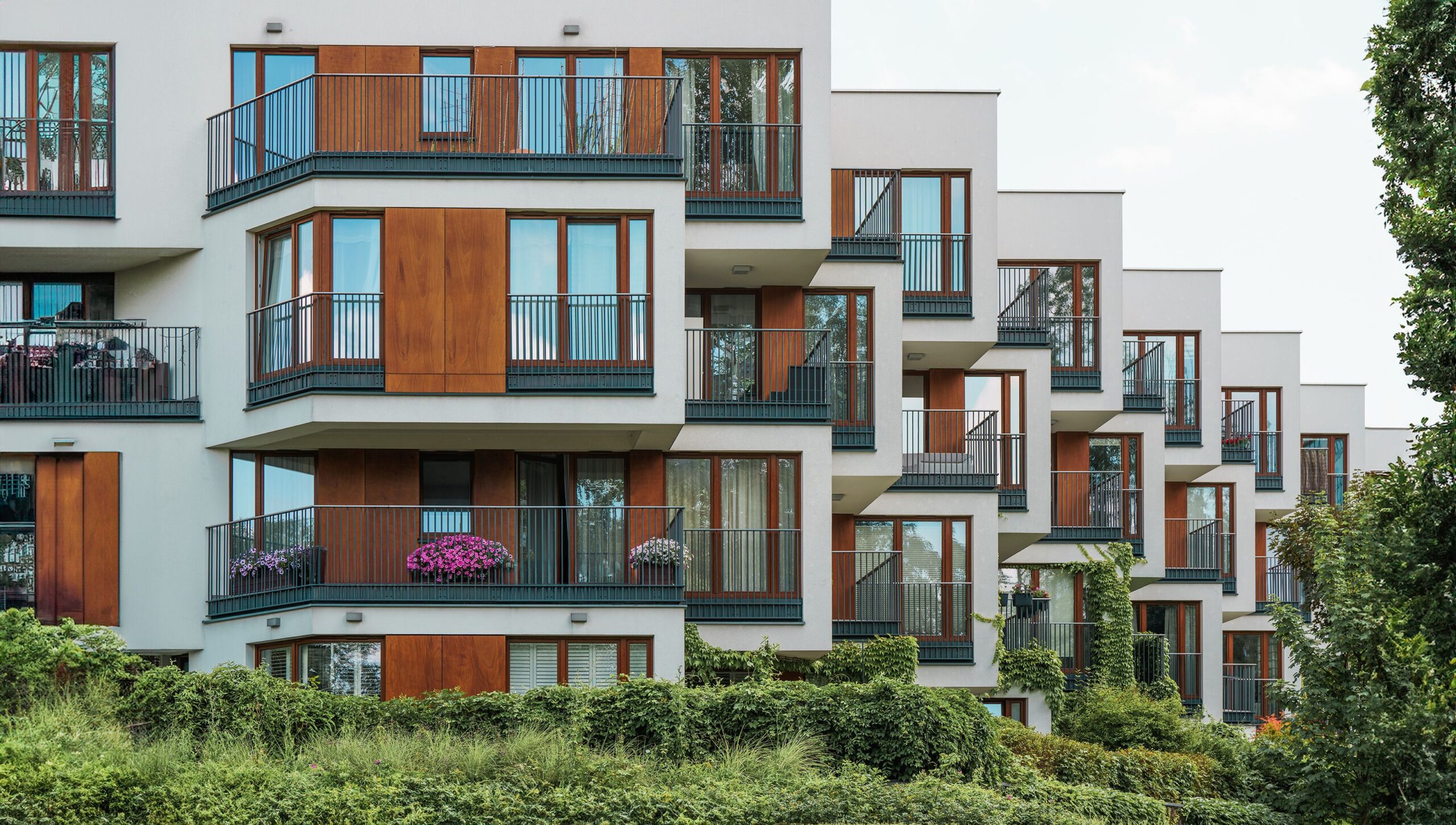
Finding the right apartment is about more than choosing a floor plan or staying within your budget. The apartment complex you select will become part of your daily life, influencing your comfort, convenience, and overall living experience. Taking the time to evaluate different properties before signing a lease can help you avoid unexpected surprises and find a place that truly meets your needs.
Whether you are renting your first apartment or relocating to a new area, considering several important factors can help you make a confident and informed decision.
Consider the Location
Location is often one of the first things people think about when searching for an apartment, and for good reason. A convenient location can make commuting easier while providing quick access to grocery stores, healthcare facilities, restaurants, parks, and other everyday necessities.
Think about how close the apartment is to your workplace, school, or frequently visited destinations. If you rely on public transportation, check whether bus stops or train stations are nearby. Choosing a location that fits your lifestyle can save both time and transportation costs.
It is also worth visiting the neighborhood at different times of the day to get a better sense of traffic, activity levels, and the overall atmosphere.
Evaluate Safety Features
Feeling safe in your home is essential. As you tour an apartment complex, pay attention to the security measures in place.
Features such as controlled building access, well-lit parking areas, security cameras, secure entry systems, and properly maintained pathways can contribute to a greater sense of security. While no property can guarantee complete safety, visible efforts to maintain a secure environment are worth considering.
Researching local crime statistics and speaking with current residents may also provide additional insight into the neighborhood.
Review the Apartment Layout
Every apartment has a unique layout, and what works well for one person may not suit another. Consider whether the floor plan provides enough living space for your daily routine.
Think about storage options, closet space, natural lighting, room sizes, and the overall flow of the apartment. If you work remotely, you may also want space for a home office or quiet area where you can focus.
Visualizing how your furniture will fit can help determine whether the apartment meets your practical needs.
Inspect the Property’s Condition
A clean and well-maintained apartment complex often reflects how management cares for the property. During your visit, inspect both the apartment itself and the shared common areas.
Look for signs of water damage, peeling paint, damaged flooring, malfunctioning appliances, or plumbing issues. Test faucets, light switches, windows, doors, and locks whenever possible.
Common spaces such as hallways, elevators, fitness centers, and outdoor areas should also appear clean and properly maintained.
Addressing concerns before signing a lease can prevent future inconvenience.
Understand the Amenities
Amenities can enhance your living experience, but it is important to determine which ones you will actually use.
Some apartment complexes offer fitness centers, swimming pools, coworking spaces, package lockers, community lounges, dog parks, or laundry facilities. While these features may add value, consider whether they align with your lifestyle and justify any additional costs included in the rent.
Choosing amenities that match your daily habits often provides greater long-term satisfaction.
Learn About Parking Options
Parking is sometimes overlooked until move-in day. Before committing to an apartment, ask about available parking arrangements.
Determine whether parking is assigned, covered, included in the rent, or requires an additional monthly fee. If you expect visitors frequently, ask whether guest parking is available and whether any restrictions apply.
Convenient parking can make daily life significantly easier, particularly in busy urban areas.
Ask About Maintenance Services
Reliable maintenance plays an important role in apartment living. Even well-maintained properties occasionally require repairs, so understanding how maintenance requests are handled is important.
Ask how residents submit service requests, typical response times, and whether emergency maintenance is available after business hours.
A responsive maintenance team can help resolve issues quickly and contribute to a more positive living experience throughout your lease.
Review Lease Terms Carefully
Before signing any lease agreement, take time to read the entire document thoroughly.
Pay attention to lease length, renewal options, security deposit requirements, pet policies, maintenance responsibilities, guest policies, parking rules, and procedures for ending the lease early.
Understanding these details beforehand helps prevent misunderstandings later and allows you to make an informed commitment.
If anything is unclear, ask questions before signing rather than making assumptions.
Consider Noise Levels
Noise can significantly affect comfort at home. During your visit, notice whether you hear traffic, nearby businesses, construction activity, or excessive noise from neighboring apartments.
Visiting during different times of the day may provide a better understanding of typical noise levels.
While complete silence is rarely possible in apartment living, choosing a community with reasonable noise levels can improve relaxation and overall quality of life.
Evaluate Community Atmosphere
Every apartment complex has its own unique environment. Some communities are designed for young professionals, while others attract families, retirees, or students.
Observing how residents interact and how shared spaces are maintained may help you determine whether the community feels welcoming and respectful.
If possible, speak with current residents about their experiences. Their feedback may provide valuable insight into property management, maintenance quality, and daily life within the complex.
Think About Your Future Needs
While an apartment may meet your current needs, it is also helpful to consider your future plans. Think about whether the apartment will still be suitable if your circumstances change.
For example, you may eventually work from home more often, adopt a pet, purchase additional furniture, or require more storage space. Selecting an apartment that offers some flexibility can reduce the need for another move in the near future.
Planning ahead allows you to choose a home that continues to support your lifestyle as it evolves.
Final Thoughts
Choosing an apartment complex involves much more than comparing rental prices. Location, safety, maintenance, amenities, lease terms, and the overall condition of the property all contribute to your daily comfort and long-term satisfaction.
By taking the time to visit multiple properties, ask thoughtful questions, and carefully evaluate your options, you can make a more informed decision about where to live. A well-chosen apartment provides more than just a place to stay—it offers a comfortable environment that supports your lifestyle and helps you feel at home from the day you move in.
